20:00
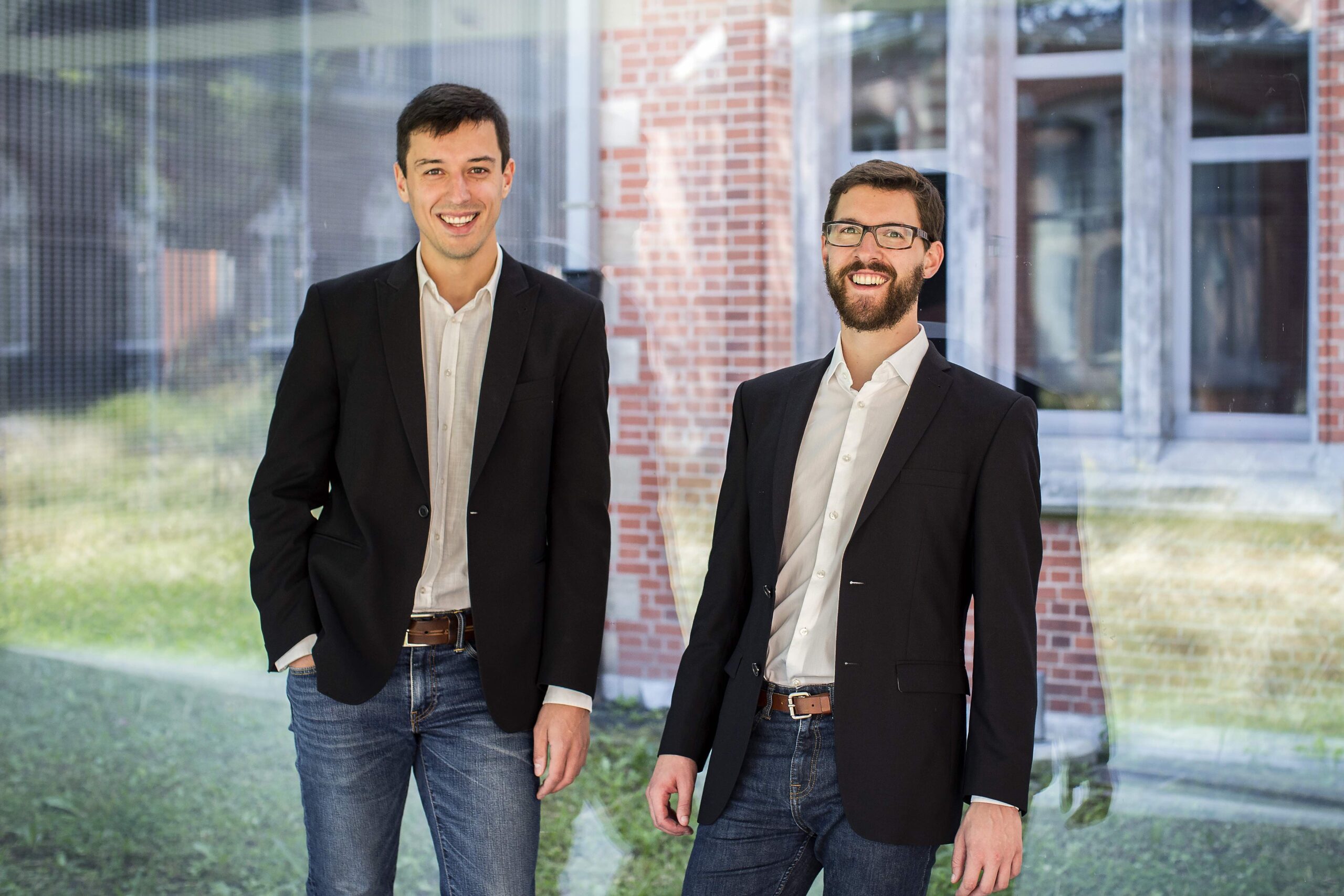
Bij Will to Wander hoort u één werk twee keer: eerst zoals het geschreven staat, vervolgens in een nieuw jasje. Het centrale stuk vanavond is Steve Reichs Piano Phase. Het is een constante verschuiving van gelijkaardig materiaal, verdeeld over twee piano’s die elkaar zo telkens lijken tegen te spreken, bij te vallen, aan te vullen. Een kolfje naar de hand van pianoduo Simplexity, dat wil begrijpen hoe eenvoud en complexiteit zich tot elkaar verhouden. Na de originele uitvoering gaat violist Merel Vercammen ermee aan de slag.
In het verlengde van Piano Phase ligt John Adams’ Hallelujah Junction, waarin opnieuw schijnbaar eenvoudig materiaal zo over de twee piano’s wordt verdeeld, dat het een ‘akoestische versie van een digitale delay’ oplevert. Het klinkt zoals een vlucht spreeuwen eruitziet: als een wolk die steeds van gedachten verandert.
Merel Vercammen onderzoekt op haar beurt de artistieke mogelijkheden van de elektrische vijfsnarige viool. Geïnspireerd door de kenmerkende repetitieve patronen in het pianorepertoire van Steve Reich en John Adams ontwikkelt zij een nieuw klanklandschap waarin de viool transformeert tot een volwaardig klankorkest. Piano Phase en Hallelujah Junction zijn gebouwd op gelaagde herhalingen en subtiele verschuivingen in ritme en harmonie. Deze structuur vormt het vertrekpunt voor Merels benadering. Binnen dat kader ontstaan improvisaties die zich ontwikkelen volgens Reichs en Adams’ logica van geleidelijke transformatie, maar met een eigen stem en dynamiek. De elektrische vijfsnarige viool wordt in deze context versterkt en uitgebreid met een reeks gitaarpedalen. Deze technologie maakt het mogelijk om alleen, live, een gelaagd, pulserend en rijk georkestreerd klankveld te creëren.
At Will to Wander, you will hear each piece twice: first as it was written, then in a new guise. The central piece this evening is Steve Reich’s Piano Phase. It is a constant shifting of similar material, divided between two pianos that seem to contradict, support, and complement each other. This is right up the alley of piano duo Simplexity, who want to understand how simplicity and complexity relate to each other. After the original performance, violinist Merel Vercammen will present her interpretation.
In the same vein as Piano Phase is John Adams’ Hallelujah Junction, in which seemingly simple material is again divided between the two pianos in such a way that it produces an ‘acoustic version of a digital delay’. It sounds like a flight of starlings looks: like a cloud that keeps changing its mind.
Merel Vercammen, in turn, explores the artistic possibilities of the electric five-string violin. Inspired by the characteristic repetitive patterns in the piano repertoire of Steve Reich and John Adams, she develops a new soundscape in which the violin transforms into a full-fledged sound orchestra. Piano Phase and Hallelujah Junction are built on layered repetitions and subtle shifts in rhythm and harmony. This structure forms the starting point for Merel’s approach. Within that framework, improvisations arise that develop according to Reich’s and Adams’ logic of gradual transformation, but with their own voice and dynamics. In this context, the electric five-string violin is amplified and expanded with a series of guitar pedals. This technology makes it possible to create a layered, pulsating and richly orchestrated sound field live, on her own.
Pianoduo Simplexity
Lukas Huisman piano
Ivo Delaere piano
ㅤ
Merel Vercammen viool, loopstation
Steve Reich (° 1936)
–
Piano Phase
J. Adams (°1947)
–
Hallelujah Junction